- The Sideline
- Posts
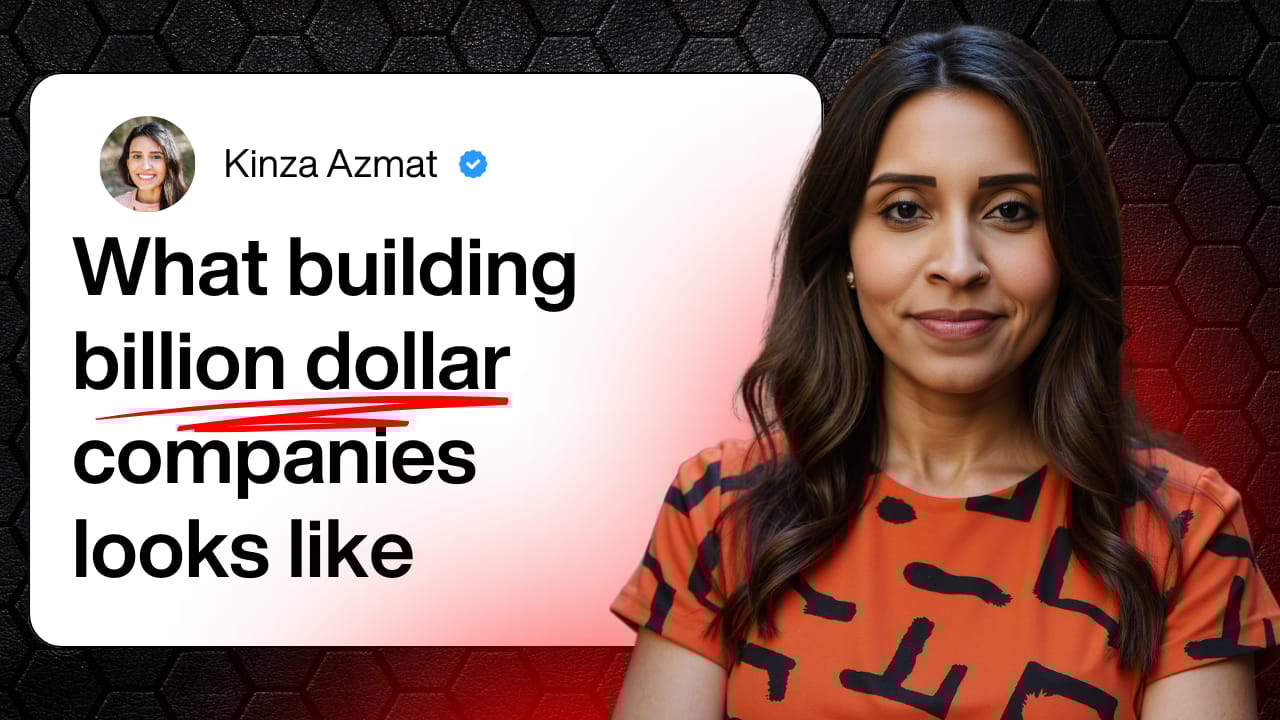
- 🏴☠️ What building billion-dollar companies actually looks like
🏴☠️ What building billion-dollar companies actually looks like
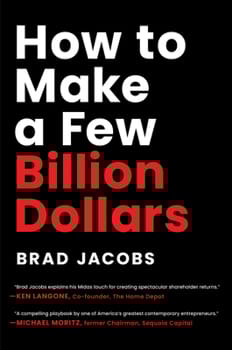
the Brad Jacobs playbook

Kinza Azmat
January 13, 2026
The myth most founders believe
Most founders think great companies are built by vision alone.
A great idea.
A bold mission.
A charismatic leader.
Brad Jacobs proves something far less romantic and far more useful:
Great companies are built by systems, discipline, and repeatable decision-making.
Brad Jacobs didn’t build one billion-dollar business.
He built multiple, across different industries, using the same underlying operating logic.
That’s not luck.
That’s not genius.
That’s pattern mastery.
Best Links
💰Sales: Whether you’re a rookie or a 20-year veteran, your goals are only as good as the system behind them. High performers don’t wait for "the right time" to start planning. They seize the Golden Hours and protect their calendar with everything they’ve got. Check out Jeb Blount’s guide on sales (Link & Link)
The math behind cold calling in real estate (link)
🌟 Industry Trends:
5 tips to being a great CEO (link). Not a surprise that mental fitness is rated highly or that your management team is everything.
Launching your own business might be better than buying one (Link)
🍏 Extra Credit:
Crash course on how small business valuations work. (Link)
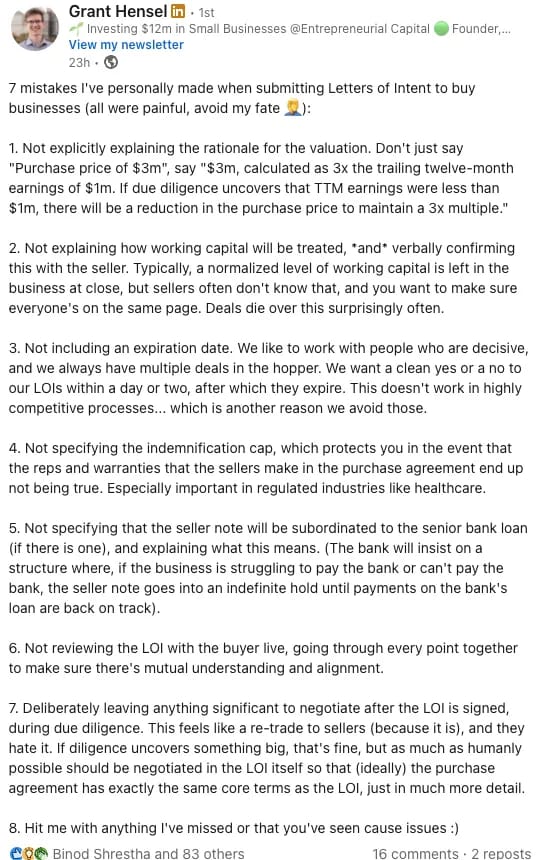
This is how business buyers commonly make mistakes when it comes to submitting an offer on a small business (Link)
A mentor I hugely respect on 40 lessons from his own entrepreneurship journey (Link)
Why this makes people uncomfortable
Brad Jacobs doesn’t talk like most founders.
He doesn’t obsess over passion.
He doesn’t romanticize hustle.
He doesn’t confuse confidence with clarity.
Instead, he focuses on things most founders avoid:
• Clean financials
• Clear accountability
• Boring execution
• Relentless follow-through
• Buying, fixing, and compounding businesses over time
And here’s the uncomfortable part:
None of that feels exciting day-to-day.
But it is exactly what creates durable value.
Most founders want growth without discipline.
They want scale without structure.
They want exits without preparing for one.
Brad built the opposite.
What Brad Jacobs actually does differently
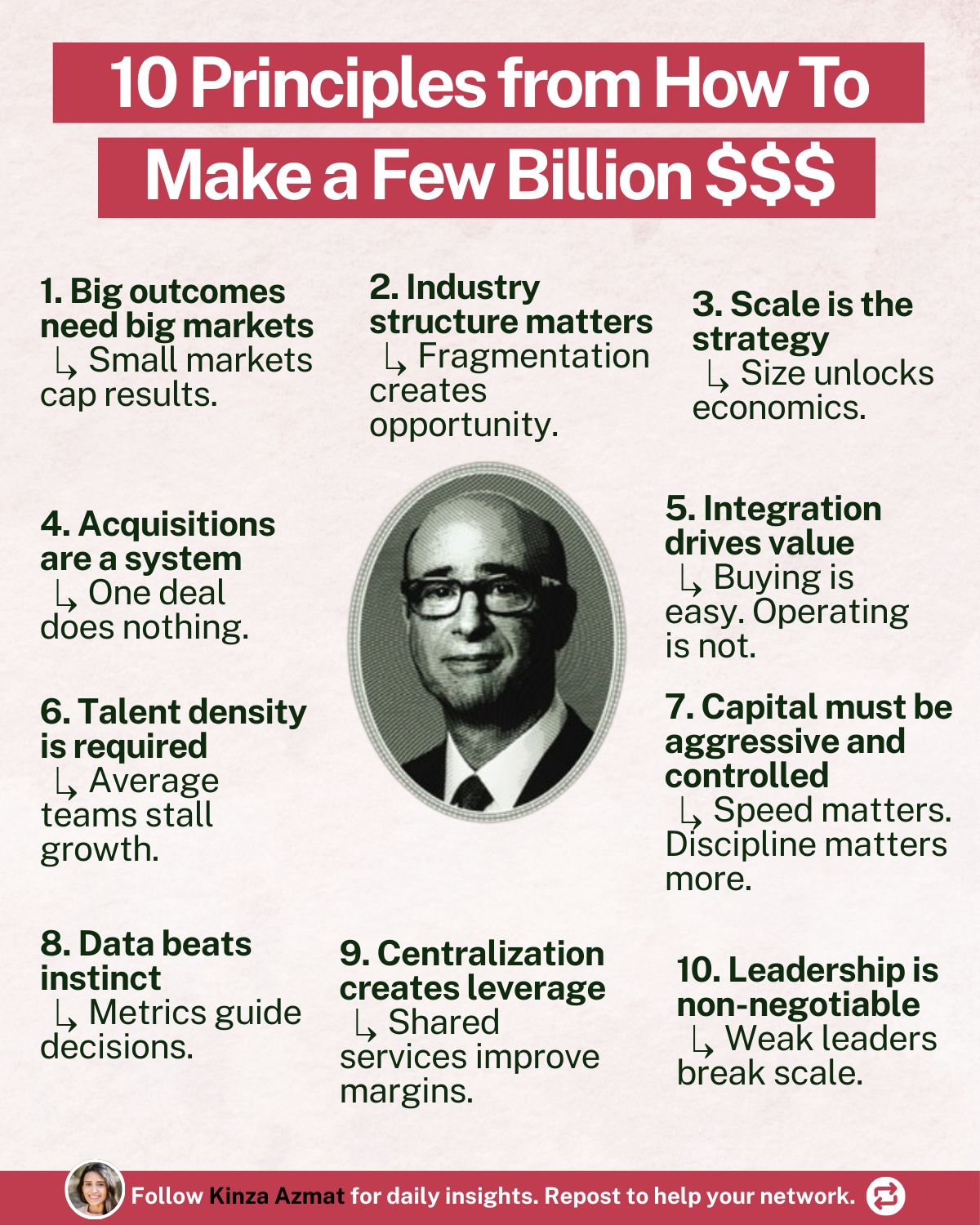
After studying Brad’s approach, a few principles stand out.
1. He treats leadership like a craft, not a personality trait
He hires operators.
He installs systems.
He removes ambiguity early.
The business does not depend on his mood, energy, or presence.
2. He separates ego from execution
Brad is not trying to be the smartest person in the room.
He is trying to build rooms that function without him.
That distinction matters.
3. He optimizes for durability, not hype
His companies are designed to survive leadership changes, market cycles, and capital events.
That is why buyers trust them.
That is why investors return.
That is why value compounds.
4. He builds businesses buyers can understand quickly
Clear structure.
Clear reporting.
Clear ownership of outcomes.
No mystery.
No heroics.
No scrambling during diligence.
Where I see this break down
I see the opposite of this every week.
Founders who built impressive revenue, but:
• Sales lives in their head
• Financials require interpretation
• Leaders exist on paper, not in practice
• Decisions bottleneck at the top
On the surface, the business looks strong.
Under the hood, it is fragile.
Brad Jacobs built companies that could be understood, trusted, and transferred.
That is the difference between running a business and building one.
How to apply this thinking this week
You don’t need to buy companies or raise billions to apply this.
Start here: Ask yourself three questions:
If I stepped away for 60 days, what decisions would stall?
What part of the business only works because I am personally involved?
Could an outsider explain how we make money in under five minutes?
If those answers make you uncomfortable, that’s the work.
Brad Jacobs didn’t wait until an exit to clean things up.
He built as if someone else would run the company one day.
That mindset changes everything.
Before You Go
This is exactly why we’re building tools that help founders see their business the way buyers and serious operators do. Not someday. Now.
If you’re curious, reply to this email. No pitch. Just a conversation.
Until then,
Kinza
 |
Reply